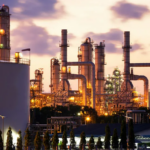
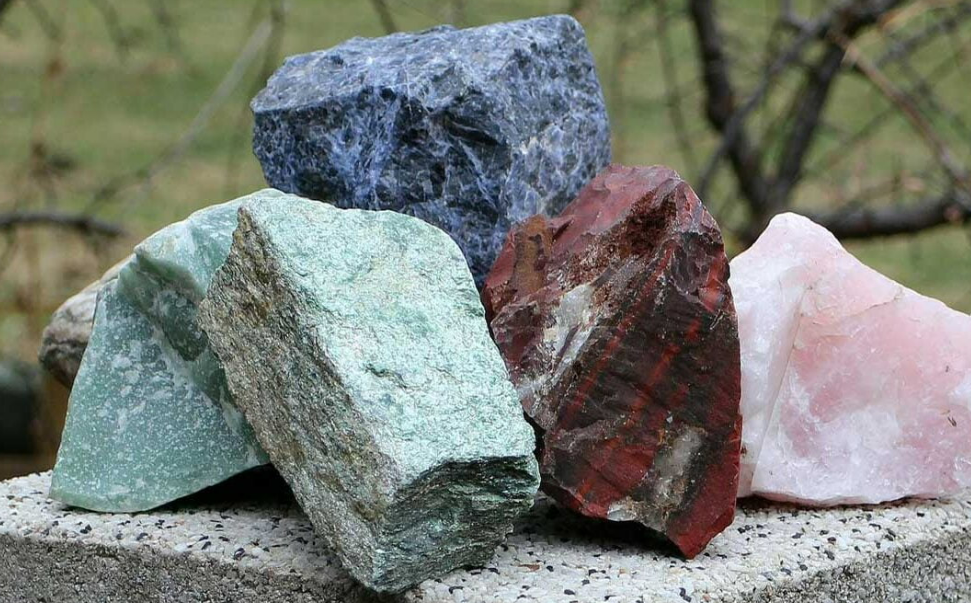
Minerals and energy resources are the backbone of the economic development of any country. Everything we use—cars, buildings, machines, roads, electricity—depends on minerals and power resources. Minerals occur naturally in the Earth’s crust and are unevenly distributed. They are valuable, limited, and non-renewable in the short term.
Energy resources such as coal, petroleum, natural gas, as well as renewable sources like solar and wind energy, are essential for industries, transportation, agriculture, and daily life. Understanding the types, distribution, uses, and conservation of these resources is important to ensure sustainable development and a healthy environment for the future.
Introduction
1. What are Minerals?
- Minerals are natural chemical substances found in the earth’s crust.
- They are inorganic, solid, and have a definite chemical composition.
- They are formed through natural processes over millions of years.
- Minerals occur in different forms: rocks, ores, veins, beds, etc.
2. Importance of Minerals
- Minerals are the backbone of industrial development.
- They are used in almost everything:
✔ buildings,
✔ machines,
✔ vehicles,
✔ tools,
✔ technology,
✔ household items.
3. What are Energy Resources?
- Energy resources are sources that provide power and energy for
✔ industries,
✔ agriculture,
✔ transport,
✔ domestic use.
4. Why Energy Resources Are Important?
- They power economic development.
- They run machines, transport, and technology.
- Strong energy availability = strong economy.
Topic-1: Classification of Minerals
Minerals are classified on the basis of their chemical and physical properties. In Class 10, minerals are mainly grouped into metallic and non-metallic minerals.
1. Metallic Minerals
Features
- Contain metal in raw form.
- Can be melted, polished, and made into new products.
- Found in igneous and metamorphic rocks.
Types of Metallic Minerals
a) Ferrous Minerals
- Contain iron.
- Important for industrial development, especially for steel.
- Examples:
- Iron ore
- Manganese
- Nickel
- Cobalt
b) Non-Ferrous Minerals
- Do not contain iron.
- Used in industries for their strength, light weight & high conductivity.
- Examples:
- Copper
- Bauxite (Aluminium)
- Lead
- Gold
- Silver
2. Non-Metallic Minerals
Features
- Do not contain metals.
- Cannot produce metal even after processing.
- Found in sedimentary and metamorphic rocks.
Types of Non-Metallic Minerals
a) Mineral Fuels
- Provide energy.
- Examples:
- Coal
- Petroleum
- Natural Gas
b) Other Non-Metallic Minerals
- Used in industries like cement, fertilizers, glass, etc.
- Examples:
- Limestone
- Mica
- Gypsum
- Salt
3. Atomic/Mineral Energy Resources (Special Category)
- Provide nuclear energy.
- Found in small quantities but highly valuable.
- Examples:
- Uranium
- Thorium
Topic-2: Mode of Occurrence of Minerals
Minerals occur in different forms depending on geological processes. Their mode of occurrence determines how they are extracted.
1. In Igneous and Metamorphic Rocks (Veins and Lodes)
- Minerals occur in cracks, fissures, joints, and faults of rocks.
- These cracks fill with minerals deposited by cooling magma.
✔ Forms
- Veins – small deposits
- Lodes – large deposits
✔ Examples
- Tin
- Copper
- Zinc
- Lead
2. In Sedimentary Rocks
- Formed by weathering, erosion, deposition, and compression.
✔ Occurrence
- Layers or beds (stratified rocks)
- Easily mined because they are soft and horizontal
✔ Examples
- Limestone
- Gypsum
- Coal
- Salt
3. As Alluvial Deposits (Placer Deposits)
- Found in river beds, valleys, and flood plains.
- Minerals are deposited through the running water of rivers.
✔ Features
- Minerals are fine, light, and easy to extract.
✔ Examples
- Gold
- Silver
- Platinum
- Tin
4. By Decomposition of Surface Rocks (Residual Masses)
- Rocks on the surface decompose due to chemical weathering.
- Insoluble minerals remain behind.
✔ Example
- Bauxite (formed from decomposition of rocks containing aluminium)
5. As Ocean Deposits (Marine Deposits)
- Oceans contain huge quantities of minerals.
✔ Two Types
- Shallow ocean water deposits
- Ocean floor deposits
✔ Examples
- Common salt
- Magnesium
- Limestone
6. Mineral Fuels
These are formed from dead plant and animal remains buried for millions of years.
✔ Examples
- Coal
- Petroleum
- Natural gas
Topic-3: Types of Mining and Distribution of Minerals
1. Open-cast Mining
- Also called surface mining.
- Minerals are taken out from shallow, surface-level deposits.
- Large machines remove the top soil and rocks.
✔ Features
- Easy and cheap
- Used when minerals are near the surface
- Environmentally harmful (removes large areas of land)
✔ Examples
Coal, iron ore, limestone
2. Shaft Mining
- Minerals are deep inside the earth.
- Vertical deep holes (shafts) are dug to reach these minerals.
✔ Features
- Used for deep minerals
- Expensive and requires technology
- Miners work underground
✔ Examples
Coal, gold
3. Drilling
- Used for liquid and gaseous minerals.
- Deep wells are drilled to take out resources.
✔ Examples
Petroleum, natural gas
Distribution of Minerals in India
India has a variety of minerals found in specific regions.
1. Metallic Minerals
a) Iron Ore
- Major areas:
✔ Odisha (largest) – Mayurbhanj, Keonjhar
✔ Jharkhand – Singhbhum
✔ Chhattisgarh – Durg, Bastar
✔ Karnataka – Bellary, Chitradurga
b) Manganese
- Used in steel making
- Found in:
✔ Odisha
✔ Karnataka
✔ Madhya Pradesh
✔ Maharashtra
c) Bauxite (Aluminium Ore)
- Found in:
✔ Odisha (Koraput)
✔ Gujarat
✔ Maharashtra
✔ Jharkhand
d) Copper
- Found in:
✔ Rajasthan (Khetri)
✔ Madhya Pradesh
✔ Jharkhand (Singhbhum)
2. Non-Metallic Minerals
a) Mica
- Used in electrical and electronic industries
- India is the largest producer.
- Found in:
✔ Jharkhand
✔ Bihar
✔ Andhra Pradesh
✔ Rajasthan
b) Limestone
- Found in:
✔ Rajasthan
✔ Madhya Pradesh
✔ Andhra Pradesh
✔ Gujarat
3. Mineral Fuels
a) Coal
- Major fields:
✔ Jharkhand (Jharia, Bokaro, Giridih)
✔ Odisha
✔ Chhattisgarh
✔ West Bengal (Raniganj)
b) Petroleum
- Offshore: Mumbai High
- Onshore: Gujarat, Assam (Digboi)
c) Natural Gas
- Mumbai High
- Krishna–Godavari basin
- Assam
Topic-4: Ferrous Minerals
- Ferrous minerals are those that contain iron.
- They are very important for the industrial development of a country, especially for iron and steel industries.
1. Iron Ore
Iron ore is the basic mineral used for making iron and steel.
Types of Iron Ore in India
- Hematite
- High-quality ore
- Red in color
- High iron content
- Magnetite
- Best quality iron ore
- Magnetic in nature
- Very high iron content
Important Iron Ore Regions
- Odisha – Keonjhar, Mayurbhanj
- Jharkhand – Singhbhum
- Chhattisgarh – Durg, Bastar
- Karnataka – Bellary, Chitradurga
2. Manganese
- Used for making steel, manufacturing batteries, and paints.
- Works as a hardening agent for steel.
Major Manganese Producing States
- Odisha
- Karnataka
- Madhya Pradesh
- Maharashtra
3. Chromite (Chromium Ore)
- Used in stainless steel, metal plating, and alloys.
Found in
- Odisha
- Karnataka
- Manipur
Why Ferrous Minerals Are Important?
- Essential for iron and steel industry
- Foundation of industrial development
- Used in construction, automobiles, machinery
- Provide employment and boost the economy
Topic-5: Major Iron Ore Belts in India
India has four major iron ore belts. These belts contain large deposits of Hematite and Magnetite and are the backbone of India’s iron & steel industry.
1. Odisha–Jharkhand Belt
Location
- Odisha and Jharkhand
Important Mines
- Odisha → Mayurbhanj, Keonjhar
- Jharkhand → Singhbhum (Gua & Noamundi mines)
Features
- One of the richest iron ore belts.
- Mostly hematite ore.
2. Durg–Bastar–Chandrapur Belt
Location
- Chhattisgarh and Maharashtra
Important Mine
- Bailadila Hills (Bastar, Chhattisgarh)
- Known for high-grade hematite.
- Ore is hard and easily exportable.
3. Bellary–Chitradurga–Chikmagalur–Tumkur Belt
Location
- Karnataka
Important Areas
- Bellary
- Chitradurga
- Chikmagalur (Kudremukh)
- Tumkur
Features
- Kudremukh mines are famous for magnetite ore.
- Kudremukh has a 65 km-long slurry pipeline to Mangalore port.
4. Maharashtra–Goa Belt
Location
- Goa and parts of Maharashtra
Important Areas
- North Goa
- Ratnagiri (Maharashtra)
Features
- Mostly inferior quality iron ore.
- Major supplier of iron ore for export, mainly through Marmagao port.
Topic-6: NON-FERROUS MINERALS
- Non-ferrous minerals are those which do NOT contain iron.
- They are more resistant to corrosion and are used for light, strong, and valuable metals.
1. Copper
- Good conductor of heat and electricity.
- Used in electrical cables, electronics, coins, utensils.
- Major copper mines in India:
- Balaghat (Madhya Pradesh)
- Singhbhum (Jharkhand)
- Khetri mines (Rajasthan)
- India is critically deficient in copper.
2. Bauxite (Aluminium Ore)
- Bauxite is the ore of aluminium.
- Aluminium is light, strong, and corrosion-resistant.
- Used in aircraft, automobiles, containers, utensils, electrical industry.
- Major bauxite producing states:
- Odisha (largest producer)
- Gujarat
- Maharashtra
- Jharkhand
- Bauxite deposits are found in laterite soil areas.
3. Lead & Zinc
Lead: Used in batteries, ammunition, pipes.
Zinc: Used for galvanising iron, making alloys (brass).
Major deposits (Lead-Zinc):
- Rajasthan (Zawar mines — largest producer)
- Andhra Pradesh
- Bihar
4. Gold
- Found in Kolar mines (Karnataka — now closed).
- Also in Hutti mines and Ramgiri fields (Andhra Pradesh).
Topic-7: NON-METALLIC MINERALS & ROCK MINERALS
- These are minerals that do NOT contain metals.
- They are not good conductors of heat and electricity.
- Generally softer, less shiny, and used for industrial and domestic purposes.
Types of Non-Metallic Minerals
1. Mica
- A non-metallic mineral made of thin sheets.
- Highly flexible, elastic, and good insulator of electricity.
- Used in electrical and electronic industries.
- India is the largest producer of mica.
- Major deposits:
- Jharkhand
- Andhra Pradesh
- Rajasthan
2. Limestone
- A rock mineral.
- Used in cement industry, iron and steel industry, and chemical industries.
- Found in:
- Andhra Pradesh
- Madhya Pradesh
- Rajasthan
- Gujarat
3. Gypsum
- Used for making cement, plaster of Paris, and fertilisers.
- Found in:
- Rajasthan
- Tamil Nadu
- Jammu & Kashmir
4. Salt (Rock Salt & Sea Salt)
Rock Salt
- Occurs in underground deposits.
- Used in chemical industries.
- Found in:
- Mandi (Himachal Pradesh)
Sea Salt
- Produced by evaporation of seawater.
- India produces large quantities due to its long coastline.
- Major states:
- Gujarat
- Maharashtra
- Tamil Nadu
What Are Rock Minerals?
- These are minerals obtained from rocks.
- Usually form raw materials for industries.
- Examples: Limestone, Sandstone, Marble, Granite
Uses of Rock Minerals
- Construction (cement, roads, buildings)
- Manufacturing (glass, chemicals)
- Decoration and carving (marble, granite)
Topic-8: HAZARDS OF MINING
Mining is important for minerals, but it also causes serious risks and dangers to both workers and the environment.
1. Health Hazards for Workers
- Dust and fumes from mines cause diseases like:
- Pneumoconiosis
- Silicosis
- Tuberculosis
- Poor ventilation in underground mines leads to:
- Breathing problems
- Accumulation of toxic gases
- Long working hours → fatigue and injuries
2. Physical Hazards
- Mine collapse / subsidence
- Flooding inside mines
- Explosions due to gases like methane
- Risk of falling rocks and landslides
3. Environmental Hazards
- Soil erosion
- Degradation of land
- Loss of biodiversity
- Pollution:
- Water pollution from mine waste
- Air pollution from dust
- Noise pollution from drilling and blasting
4. Social and Economic Hazards
- Displacement of local people
- Loss of agricultural land
- Mining areas become unsuitable for farming later
5. Safety Measures
- Use of protective equipment
- Scientific mining techniques
- Proper ventilation in mines
- Regular safety checks
- Environmental conservation measures
Topic-9: CONSERVATION OF MINERALS
- Minerals are non-renewable and take millions of years to form.
- Therefore, they must be used wisely and conserved for the future.
- Minerals are finite and will exhaust soon.
- Growing industrialisation increases their demand.
- Uneven distribution of minerals creates regional imbalance.
- To maintain sustainable development.
Methods of Conservation of Minerals
1. Reduce Wastage in Mining
- Use improved mining technology to reduce loss of minerals.
- Control over-extraction and avoid unnecessary digging.
2. Recycling of Minerals
- Reuse and recycle metals like copper, aluminium, iron, steel.
- Reduces pressure on mining.
3. Use of Substitutes
- Replace scarce minerals with cheaper and more abundant alternatives.
- Example: Copper can be replaced by aluminium in electrical cables.
4. Improve Technology
- Use advanced machinery to extract minerals efficiently.
- Reduces wastage during mining and processing.
5. Controlled and Planned Use
- Industries should use minerals carefully and judiciously.
- Government should regulate mining activities.
6. Environmental Protection
- Restore mined areas through land reclamation.
- Plant trees and reduce soil erosion.
Topic-10: ENERGY RESOURCES
- Energy is essential for industries, agriculture, transport, communication, and household needs.
- India uses both conventional and non-conventional energy resources.
Types of Energy Resources
1. Conventional Energy Resources
These are traditional energy sources used for a long time.
a) Coal
- Most abundant fossil fuel in India.
- Used for:
- Electricity generation
- Iron and steel industry
- Railways (earlier)
- Types: Anthracite, Bituminous, Lignite, Peat
- Major states: Jharkhand, Odisha, Chhattisgarh, West Bengal
b) Petroleum
- Thick, dark liquid found underground.
- Used as:
- Fuel (petrol, diesel, LPG)
- Raw material for petrochemicals
- Major areas:
- Mumbai High
- Gujarat
- Assam
c) Natural Gas
- Cleanest fossil fuel.
- Used for:
- Fertiliser plants
- Power generation
- Domestic cooking (PNG)
- Major fields:
- Krishna-Godavari Basin
- Mumbai High
- Assam
d) Electricity
Two types:
- Thermal Power – produced from coal, oil, gas
- Hydel Power – produced from flowing water (dams)
2. Non-Conventional Energy Resources
These are renewable, eco-friendly, and future-oriented.
a) Solar Energy
- India receives abundant sunshine.
- Used for:
- Solar cookers, heaters
- Solar photovoltaic electricity
- Street lighting
- Good for remote areas.
b) Wind Energy
- India is the third largest wind power producer.
- Major states:
- Tamil Nadu
- Gujarat
- Karnataka
- Maharashtra
c) Geothermal Energy
- Heat energy from Earth’s interior.
- Example: Puga Valley (Ladakh).
d) Biogas
- Produced from organic waste (cow dung, plants).
- Used for cooking and lighting in rural areas.
e) Tidal Energy
- Energy from ocean tides.
- Potential areas:
- Gulf of Khambhat (Gujarat)
- Gulf of Kachchh
f) Wave Energy
- Uses energy of sea waves along coastal areas.
Importance of Non-Conventional Energy
- Renewable and unlimited
- Eco-friendly
- Reduces dependence on fossil fuels
- Helps sustainable development
Topic-11: NATURAL GAS (Conventional Source of Energy)
Natural gas is a clean, eco-friendly fossil fuel found along with petroleum deposits.
- A mixture of hydrocarbon gases found deep inside the earth.
- Mostly methane (CH₄).
- Found with petroleum or in separate gas fields.
Uses of Natural Gas
1. Power Generation
- Used to produce electricity in gas-based power plants.
2. Fertiliser Industry
- Raw material for producing nitrogenous fertilisers (urea).
3. Domestic Use
- Used as:
- PNG (Piped Natural Gas) for cooking
- CNG (Compressed Natural Gas) for vehicles
4. Industrial Use
- Used in:
- Ceramics
- Glass
- Chemical industries
- Preferred because it burns cleanly and efficiently.
Advantages of Natural Gas
- Cleanest fossil fuel (least pollution).
- Easy to transport through pipelines.
- Safe and convenient for households.
- Produces less carbon emission → environment-friendly.
Major Natural Gas Fields in India
- Mumbai High
- Krishna–Godavari Basin (Andhra Pradesh)
- Cambay Basin (Gujarat)
- Assam
Topic-12: COAL (Conventional Source of Energy)
- Coal is the most important and abundant fossil fuel in India.
- It is used widely for power generation, industry, and transport.
1. What is Coal?
- Formed from dead plants buried under the earth for millions of years.
- Heat and pressure convert plant material into coal.
- Non-renewable resource.
2. Types of Coal
a) Anthracite
- Highest quality
- Hard, shiny, highest carbon content
- Rare in India
b) Bituminous
- Most widely used
- High heating capacity
- Used in industries
c) Lignite
- Soft brown coal
- Lower carbon content
- Used for electricity generation
d) Peat
- Lowest quality
- Partially decomposed plant matter
- Low heating capacity
3. Uses of Coal
a) Electricity Generation
- Used in thermal power plants to produce electricity.
b) Industry
- Important for:
- Iron and steel industry
- Cement industry
- Chemical industry
c) Domestic Use
- Used for cooking in some regions (though less common today).
4) Railways (Earlier)
- Steam engines used coal as fuel in the past.
4. Major Coal Fields in India
- Jharkhand – Jharia, Bokaro, Dhanbad
- Odisha – Talcher
- Chhattisgarh – Korba
- West Bengal – Raniganj
- Madhya Pradesh – Singrauli
5. Importance of Coal
- Backbone of India’s energy sector.
- Supports industries and infrastructure.
- Provides employment and supports regional economies.
Topic-13: PETROLEUM (Conventional Source of Energy)
- Petroleum is a thick, dark, oily liquid found between layers of rocks.
- It is one of the most valuable fossil fuels and is also called “Black Gold”.
1. What is Petroleum?
- Formed from dead marine plants and animals buried under the sea for millions of years.
- Converted into petroleum due to heat, pressure, and chemical changes.
- Found in sedimentary rocks.
2. Uses of Petroleum
Petroleum is used to produce a wide range of fuels and products:
a) Fuels
- Petrol
- Diesel
- Kerosene
- LPG
- Aviation fuel
b) Petrochemicals
Used to make:
- Plastics
- Synthetic fibres
- Fertilisers
- Detergents
- Rubber products
- Medicines
c) Transport
- Most vehicles run on petrol or diesel.
- Essential for road, air, and sea transport.
d) Industry
- Used in power generation
- Used as lubricants and wax
3. Major Petroleum Producing Areas in India
a) Mumbai High (largest)
- Located in the Arabian Sea
- Produces major share of India’s petroleum
b) Gujarat
- Ankleshwar
- Cambay Basin
c) Assam
- Oldest oil field: Digboi
- Also: Naharkatiya, Moran
d) Krishna–Godavari Basin (Andhra Pradesh)
- Significant offshore and onshore deposits
Topic-14: Conventional Sources of Energy: Electricity
1. What is Electricity?
- Electricity is a form of energy used widely for domestic, industrial, agricultural, and commercial purposes.
- It is the most versatile and convenient form of energy.
2. Types of Electricity
Electricity is produced mainly in two ways:
(A) Thermal Electricity (Thermal Power)
- Also called thermoelectricity.
- Produced by burning coal, petroleum, or natural gas.
- Heat energy → converts water into steam → drives turbine → generates electricity.
- India has many thermal power plants due to abundant coal.
- Major producers:
- Singrauli (Uttar Pradesh & Madhya Pradesh)
- Korba (Chhattisgarh)
- Ramagundam (Telangana)
- Talcher (Odisha)
(B) Hydroelectricity (Hydel Power)
- Produced by using fast-flowing water to rotate turbines.
- Renewable, pollution-free, and eco-friendly.
- India is rich in hydro-power due to many rivers.
- Major producers:
- Bhakra Nangal (Himachal Pradesh)
- Hirakud (Odisha)
- Nagarjuna Sagar (Telangana)
3. Importance of Electricity
- Runs industries and boosts economic development.
- Powers agriculture (irrigation pumps, cold storage).
- Used in homes, schools, offices, hospitals, and transport.
- Essential for communication systems and modern technology.
4. Distribution of Electricity in India
- Thermal power contributes the largest share of electricity in India.
- Hydel power is the second major contributor.
- Western and southern regions produce high thermal electricity, while northern and northeastern states have high hydel potential.
5. Problems in Electricity Generation
- Shortage of raw materials like coal in some regions.
- High cost of transmission and distribution.
- Losses due to old transmission lines.
- High demand → frequent power cuts.
Topic-15: Non-Conventional Sources of Energy: Nuclear / Atomic Energy
1. What is Nuclear/Atomic Energy?
- Nuclear or atomic energy is produced by altering the structure of atoms.
- When heavy atoms (like Uranium or Thorium) are split (nuclear fission), a huge amount of energy is released.
- This energy is used to generate electricity in nuclear power plants.
2. Raw Materials Used
- Uranium
- Thorium (India has one of the largest reserves, especially in monazite sands of Kerala)
These minerals are highly radioactive and need careful handling.
3. How Nuclear Energy is Produced
- Nuclear reactors use radioactive minerals to produce heat.
- This heat converts water into steam.
- Steam rotates turbines, which generate electricity.
4. Advantages of Nuclear Energy
- Produces a large amount of energy from a small quantity of fuel.
- Low greenhouse gas emissions → environment-friendly.
- Reduces dependency on fossil fuels like coal and petroleum.
- Reliable and continuous supply (not affected by weather).
5. Disadvantages
- Radioactive waste is extremely dangerous and needs safe disposal.
- High installation and maintenance cost.
- Risk of nuclear accidents.
- Requires highly skilled scientists and engineers.
6. Major Nuclear Power Plants in India
India has several nuclear power stations:
- Tarapur (Maharashtra)
- Rawatbhata (Rajasthan)
- Kalpakkam (Tamil Nadu)
- Narora (Uttar Pradesh)
- Kakrapar (Gujarat)
- Kaiga (Karnataka)
7. Importance for India
- India has limited reserves of petroleum and good reserves of Thorium.
- Nuclear energy helps India meet its growing electricity demand.
- Vital for long-term energy security.
Topic-16: Non-Conventional Sources of Energy: Solar Energy & Wind Energy
1. Solar Energy
a) What is Solar Energy?
- Energy obtained from the sun’s rays.
- Solar radiation is used to produce heat and electricity.
b) Uses of Solar Energy
- Solar cookers
- Solar heaters
- Solar lanterns and lamps
- Solar electricity generation (through solar panels)
- Solar water pumps
c) Advantages
- Non-polluting and clean source of energy
- Inexhaustible (sunlight never ends)
- Ideal for remote and rural areas
- Reduces dependence on fossil fuels
d) Limitations
- Works only during sunny days
- Cannot be used at night without storage
- High initial cost for solar panels
- Requires large open areas
e) Solar Energy in India
- India has enormous potential due to its tropical location.
- Largest solar plants are found in:
- Rajasthan
- Gujarat
- Madhya Pradesh
- Maharashtra
2. Wind Energy
a) What is Wind Energy?
- Energy obtained from moving air (wind).
- Windmills convert wind energy into electricity using turbines.
b) Uses of Wind Energy
- Generation of electric power
- Used in wind farms to supply electricity to cities and industries
c) Advantages
- Environment-friendly
- Renewable and inexhaustible
- Low operating cost once installed
- Suitable for coastal and high-altitude areas with high wind speed
d) Limitations
- Needs strong and steady winds
- High initial cost
- Requires large land areas for wind farms
- Can be noisy and visually unappealing
e) Wind Energy in India
- India is one of the largest producers of wind energy.
- Major wind farms are located in:
- Tamil Nadu (largest)
- Gujarat
- Karnataka
- Maharashtra
- Rajasthan
Topic-17: Non-Conventional Sources of Energy: Biogas
1. What is Biogas?
- Biogas is a renewable fuel produced from the decomposition of organic waste.
- It is formed when cow dung, plant waste, vegetable waste, and sewage decompose in the absence of oxygen (anaerobic digestion).
- Mainly contains methane, which burns easily and produces energy.
2. Composition of Biogas
- Methane (CH₄) – 55%–70% (main fuel)
- Carbon dioxide (CO₂) – 30%–40%
- Small amounts of Hydrogen, Nitrogen & Hydrogen Sulphide
3. Biogas Plant
A biogas plant has:
- Inlet tank (for cow dung + water mixture)
- Digester tank (underground, where gas forms)
- Gas storage dome
- Outlet tank (for nutrient-rich slurry)
Biogas produced in the digester is sent through pipes for use.
4. Advantages of Biogas
- Provides clean fuel for cooking and lighting.
- Reduces dependence on firewood → helps prevent deforestation.
- Produces slurry (a by-product) used as excellent organic manure.
- Utilizes waste materials (cow dung, kitchen waste).
- Suitable for rural areas with plenty of cattle.
- Environment-friendly and reduces pollution.
5. Limitations of Biogas
- Requires continuous supply of cattle dung → possible only in rural areas.
- Initial cost of building a plant is high for poor families.
- Needs proper maintenance to function efficiently.
6. Importance of Biogas for India
- Ideal for agricultural and rural communities.
- Supports renewable and sustainable energy use.
- Helps reduce pressure on forests and fossil fuels.
Topic-18: Non-Conventional Source of Energy: Tidal Energy
1. What is Tidal Energy?
- Tidal energy is the energy generated from the rise and fall of ocean tides.
- When tides move in and out, they rotate turbines, which produce electricity.
2. How Tidal Energy Works
- A dam (barrage) is built across a narrow opening of the sea.
- As tides come in (high tide) and go out (low tide), water flows through turbines.
- These turbines rotate and generate electricity.
3. Requirements for Tidal Energy
- Very high tidal range (difference between high tide and low tide).
- Narrow inlets or estuaries to build dams easily.
4. Advantages
- Renewable and inexhaustible source of energy.
- Environment-friendly (no pollution).
- Predictable and dependable because tides occur regularly.
- Useful for coastal areas.
5. Limitations
- Works only where high tidal range is available (rare in India).
- Very expensive to build tidal power plants.
- Construction may disturb marine (ocean) life.
- Limited suitable sites worldwide.
6. Tidal Energy in India
India has potential in:
- Gulf of Kachchh (Gujarat) – highest tidal range in India
- Gulf of Khambhat (Gujarat)
- Sunderban areas (West Bengal)
Projects are still mostly experimental because of high cost.
Topic-19: Non-Conventional Source of Energy: Geothermal Energy
1. What is Geothermal Energy?
- Geothermal energy is the heat obtained from the interior of the Earth.
- This heat comes from hot rocks, magma, and natural steam under the Earth’s crust.
2. How Geothermal Energy is Produced
- Cold water is injected deep underground.
- It comes in contact with hot rocks and turns into steam.
- The steam rises and rotates turbines, generating electricity.
3. Sources of Geothermal Heat
- Molten magma inside the Earth
- Hot dry rocks
- Natural geysers and hot springs
4. Advantages
- Renewable source of energy
- No pollution; environment-friendly
- Reliable and available 24×7
- Good alternative to fossil fuels
5. Limitations
- Only available in geological hotspots
- Very high installation and drilling cost
- Not widely available in India
- Technology still developing in many regions
6. Geothermal Energy in India
Potential geothermal sites include:
- Puga Valley (Ladakh)
- Manikaran (Himachal Pradesh)
- Tattapani (Chhattisgarh)
These areas have hot springs and geothermal resources suitable for electricity generation.
Topic-20: Conservation of Energy Resources
1. Why Conservation is Needed?
- Energy resources like coal, petroleum, and natural gas are limited and non-renewable.
- Overuse leads to energy crisis, environmental pollution, and global warming.
- Sustainable development requires saving energy for future generations.
2. Ways to Conserve Energy Resources
A. Use Energy Efficiently
- Use energy-efficient appliances (LED bulbs, 5-star rated devices).
- Reduce unnecessary use of electricity—switch off lights/fans when not needed.
- Improve energy efficiency in industries and transport.
B. Promote Renewable Energy Sources
- Encourage use of solar energy, wind power, hydropower, biogas, tidal, and geothermal energy.
- Reduces dependence on fossil fuels.
C. Reduce, Reuse, Recycle (3Rs)
- Recycling metals like aluminium, copper, and steel saves huge amounts of energy.
- Reusing materials reduces the need for new production.
D. Use Public Transport
- Reduce use of private vehicles.
- Prefer buses, trains, carpooling, cycling.
- Saves fuel and reduces pollution.
E. Improve Technology
- Use superior and efficient technology in industries.
- Reduce wastage during mining, production, and consumption.
F. Government Policies
- Laws to promote energy conservation.
- Subsidies for solar panels and clean energy.
- Programs like Energy Conservation Act (2001).
3. Individual Efforts
- Use pressure cookers to save cooking fuel.
- Use solar cookers or solar heaters when possible.
- Set AC temperature to 24–26°C to save electricity.
- Avoid burning waste and reduce pollution.
4. Importance of Conservation
- Ensures sustainable development.
- Protects the environment.
- Reduces cost of energy consumption.
- Makes future generations secure.
Conclusion
Minerals and energy resources are vital for the growth and progress of a nation, but they are finite and exhaustible. Overexploitation has led to environmental degradation, pollution, and rapid depletion of important reserves. To secure our future, it is necessary to use minerals efficiently, adopt renewable sources of energy, recycle metals, and promote sustainable practices. Conservation of energy resources is not only a national responsibility but also an individual duty. By using resources wisely today, we can ensure that future generations also enjoy the benefits of a stable, clean, and sustainable environment.
Full Chapter Explanation
Detailed notes of other chapters:
Resources and Development: Class-10th Geography Chapter-1 ( Easy NCERT Notes )
Forests and Wildlife Resources: Class-10th Geography Chapter-2 ( Easy NCERT Notes )
Water Resources: Class-10th Geography Chapter-3 ( Easy NCERT Notes )
Agriculture: Class-10th Geography Chapter-4 ( Easy NCERT Notes )