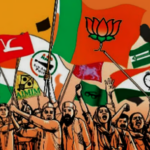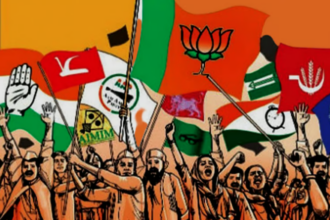

Democracy is not limited to elections and political parties; it also deals with how social differences and inequalities are addressed. Gender, religion and caste are important social divisions that deeply influence politics in India. When these divisions lead to discrimination or inequality, they become political issues. This chapter explains how democracy tries to manage these differences while ensuring equality, justice and participation for all citizens.
INTRODUCTION
- Democracy is not only about elections and political parties, but also about how social differences are addressed in society.
- Gender, religion and caste are three important social divisions that strongly influence politics in India and many other countries.
- These divisions often lead to inequality, discrimination and injustice, which democracy aims to reduce.
1. Social Divisions and Politics
- Society is divided on the basis of birth and identity, such as:
- Gender (male–female)
- Religion (Hindu, Muslim, Christian, etc.)
- Caste (Upper caste, OBC, SC, ST)
- When these social differences enter politics, they can:
- Help in raising the voice of disadvantaged groups
- Or create conflicts and divisions if misused
2. Why Study Gender, Religion and Caste in Democracy?
- These divisions affect:
- Access to education
- Employment opportunities
- Political power
- Social status
- Democracy should ensure:
- Equality
- Freedom
- Justice for all citizens, irrespective of gender, religion or caste.
3. Role of Democratic Politics
- Democratic politics tries to:
- Recognise social inequalities
- Provide equal rights and opportunities
- Ensure participation of all sections of society
- Laws, policies and constitutional provisions are used to reduce discrimination.
Topic-1: Gender and Politics
- Gender division refers to unequal roles and responsibilities assigned to men and women in society.
- It is not based on biology alone, but on social expectations and traditions.
2. Gender Inequality in Society
- Women face discrimination and oppression in many ways:
- Lower literacy rate compared to men
- Less participation in paid work
- Lower wages for the same work
- Greater burden of household work
- In rural and urban areas, women mostly work in unorganised sectors without job security.
3. Political Expression of Gender Issues
- Gender issues are raised in politics through:
- Women’s movements
- Feminist organisations
- Social reform movements
- These movements demand:
- Equal rights
- Equal wages
- Better representation in politics
- Protection against violence and discrimination
4. Women’s Representation in Politics
- Women are underrepresented in Indian politics:
- Only a small percentage of women are members of Lok Sabha and State Assemblies.
- India is behind many countries in women’s political representation.
5. Steps Taken to Improve Women’s Participation
- Reservation for women in local government:
- ⅓ of seats reserved in Panchayats and Municipalities
- This has increased women’s participation in decision-making at the local level.
- Demand for 33% reservation in Parliament and State Assemblies is still pending.
6. Gender Division and Democracy
- Gender division is an example of how social inequalities affect politics.
- Democratic politics aims to:
- Reduce gender inequality
- Ensure equal participation of women
- Protect women’s rights through laws and policies
Topic-2: Discrimination Against Women
- Discrimination against women means treating women unequally and unfairly only because they are women.
- It exists in social, economic and political spheres of life.
2. Forms of Discrimination Against Women
(a) Educational Discrimination
- Girls have lower literacy rates than boys.
- In many families, boys’ education is given more importance than girls’.
(b) Economic Discrimination
- Women:
- Get lower wages for the same work
- Are mostly employed in unorganised sectors
- Have less job security and fewer benefits
- A large part of women’s work at home is unpaid and unrecognised.
(c) Political Discrimination
- Women have less representation in political institutions.
- Very few women are elected to:
- Parliament
- State Assemblies
(d) Social Discrimination
- Women face:
- Domestic violence
- Dowry-related harassment
- Social restrictions on freedom and choices
3. Reasons for Discrimination
- Patriarchal mindset (male-dominated society)
- Traditional beliefs and customs
- Lack of awareness and education
- Economic dependence of women
4. Steps Taken to Reduce Discrimination
- Constitutional provisions ensure equality for women.
- Reservation of seats for women in:
- Panchayats
- Municipalities (one-third seats reserved)
- Laws to protect women from:
- Domestic violence
- Sexual harassment
- Promotion of girls’ education and employment.
5. Role of Democracy
- Democracy aims to:
- Remove gender inequality
- Provide equal rights and opportunities
- Encourage women’s participation in public life
- Women’s movements play an important role in raising awareness.
Topic-3: Women’s Political Representation
- Women’s political representation means the participation of women in decision-making bodies like Parliament, State Assemblies and local governments.
2. Status of Women in Indian Politics
- Women’s representation in India is very low:
- Women form about half of the population, but
- Their share in Lok Sabha and State Assemblies is much less.
- India ranks low compared to many countries in women’s representation.
3. Reasons for Low Representation
- Patriarchal (male-dominated) society
- Lack of political opportunities for women
- Less support from political parties
- Social responsibilities and safety concerns
4. Steps Taken to Increase Representation
(a) Reservation in Local Government
- One-third (33%) of seats are reserved for women in:
- Panchayats
- Municipalities
- This has increased women’s participation at the grassroots level.
(b) Demand for Reservation in Parliament
- There is a long-standing demand for:
- 33% reservation for women in Lok Sabha and State Assemblies
- This proposal has not yet been implemented.
5. Importance of Women’s Representation
- Ensures:
- Equal participation
- Representation of women’s issues
- Strengthening of democracy
- Helps in making laws and policies more inclusive and fair.
Topic-4: Religion, Communalism and Politics
Religion in Politics
- Religion involves religious beliefs, practices and communities.
- Religion becomes political when:
- Religious identities are used to mobilise voters
- Demands are made in the name of religion
- Political expression of religion is not always wrong, especially when it helps in:
- Protecting minority rights
- Ending discrimination
2. Communalism: Meaning
- Communalism is the belief that:
- People belonging to the same religion have common interests, and
- These interests are different or opposed to those of other religions.
- It sees religion as the main basis of social and political identity.
3. Forms of Communalism
Communalism can appear in different forms:
(a) Everyday Beliefs
- Thinking that one religion is superior to others.
- Prejudices and stereotypes about other religious communities.
(b) Political Mobilisation
- Use of religious symbols, leaders and emotions in elections.
- Appeals to vote in the name of religion.
(c) Communal Violence
- Riots and conflicts between religious communities.
- The most extreme form of communalism.
4. Problems of Communal Politics
- Creates hatred and mistrust among communities.
- Threatens:
- National unity
- Democracy
- Social harmony
- Leads to violence and instability.
5. Role of Democracy
- A democratic country should:
- Be secular
- Treat all religions equally
- Ensure freedom of religion
- The Indian Constitution:
- Does not favour any religion
- Prohibits discrimination on religious grounds
Topic-5: Communalism
- Communalism is an ideology that believes:
- People belonging to the same religion have common interests.
- These interests are different or even opposed to those of other religions.
- It considers religion as the main basis of social and political identity.
2. Communalism and Politics
- Communalism becomes dangerous when religion is used to:
- Gain political power
- Create divisions among people
- Political leaders may exploit religious feelings for votes and support.
3. Forms of Communalism
(a) Everyday Communal Beliefs
- Belief that one’s religion is superior to others.
- Presence of prejudices and stereotypes against other communities.
(b) Communalism in Politics
- Use of religious symbols and leaders in elections.
- Appeals to voters in the name of religion.
(c) Communal Violence
- Riots, clashes and violence between religious communities.
- Most extreme form of communalism.
4. Effects of Communalism
- Destroys:
- Social harmony
- National unity
- Threatens democracy by:
- Creating hatred and fear
- Leading to violence and instability
5. Communalism and Democracy
- Democracy requires:
- Equality
- Freedom of religion
- Mutual respect
- Communalism is against democratic values.
Topic-6: Various Forms Which Communalism Takes in Politics
Communalism can take different forms in politics, ranging from mild beliefs to violent conflicts.
1. Communalism in Everyday Beliefs
- People believe that:
- One religion is superior to others.
- Followers of different religions cannot live together.
- Includes:
- Prejudices
- Stereotypes
- Intolerance towards other religions
2. Communalism as Political Mobilisation
- Religious symbols, leaders and emotions are used to:
- Attract voters
- Gain political support
- Elections are fought on religious lines.
- Political parties appeal to people in the name of religion.
3. Communalism in the Form of Communal Violence
- This is the most extreme form of communalism.
- Leads to:
- Riots
- Mass violence
- Loss of life and property
- Creates deep fear and hatred among communities.
4. Impact on Democracy
- Weakens:
- National unity
- Social harmony
- Threatens democratic values like:
- Equality
- Freedom
- Secularism
Topic-7: Secular State
- A secular state is one that:
- Does not promote or favour any religion
- Treats all religions equally
- Religion is kept separate from the affairs of the state.
2. Features of a Secular State (India)
- The Indian Constitution:
- Gives freedom to practice, profess and propagate any religion.
- Prohibits discrimination on the basis of religion.
- The state:
- Has no official religion
- Does not give special privileges to any religious community.
3. Secularism and Democracy
- Secularism is essential for:
- Protecting religious minorities
- Maintaining social harmony
- Strengthening democracy
- It prevents the misuse of religion for political gains.
4. How Indian State is Secular
- Government institutions:
- Are not run by religious authorities
- Do not follow religious rules
- Laws are made based on:
- Constitutional values, not religious beliefs
Topic-8: Caste and Politics
- Caste is a social division based on birth.
- It determines:
- Social status
- Occupation
- Access to resources (traditionally)
- Caste inequality has been a major feature of Indian society.
2. Caste Inequality in India
- Some castes were considered higher, others lower.
- Lower castes faced:
- Untouchability
- Social exclusion
- Denial of education and opportunities
- Caste hierarchy created deep inequalities.
3. Caste and Political Expression
- Caste enters politics when:
- Political parties select candidates based on caste.
- Voters choose candidates of their own caste.
- Political mobilization happens along caste lines.
- Caste groups form vote banks.
4. Positive Role of Caste in Politics
- Helps disadvantaged castes to:
- Raise their voice
- Demand equal rights
- Get political representation
- Led to:
- Policies of reservation
- Formation of caste-based political parties
5. Negative Role of Caste in Politics
- Can lead to:
- Division in society
- Caste-based violence
- Narrow political interests
- Weakens national unity and democracy.
6. Caste in Modern Politics
- Caste is not the only factor in politics today.
- Economic issues, education and development also influence voters.
- People of the same caste can have different political choices.
Topic-9: Caste in Politics
- Caste in politics refers to the influence of caste identities on political behaviour, such as:
- Voting patterns
- Candidate selection
- Party support
- Caste becomes political when it is used to mobilise people.
2. How Caste Influences Politics
- Political parties:
- Select candidates keeping caste composition in mind.
- Form alliances to attract different caste groups.
- Voters:
- Often vote for candidates of their own caste.
- Caste groups:
- Form pressure groups to demand benefits and representation.
3. Positive Role of Caste in Politics
- Helps backward and disadvantaged castes to:
- Gain political voice
- Demand equality and justice
- Leads to:
- Reservation policies
- Political awareness among lower castes
4. Negative Role of Caste in Politics
- Promotes:
- Casteism
- Division and hatred
- Shifts focus from:
- Development issues
- National interest
- Can result in caste-based conflicts and violence.
Topic-10: Politics in Caste
- Politics in caste refers to the role of politics in shaping caste identities and relations.
- It shows how political processes influence caste system, not just how caste affects politics.
2. How Politics Influences Caste
- Political parties:
- Address caste-based inequalities through policies and laws.
- Mobilise different caste groups for political support.
- Government policies:
- Promote reservation for SCs, STs and OBCs.
- Aim to provide social justice and equality.
- Caste identities:
- Become broader and inclusive due to political mobilisation.
- Different sub-castes come together as larger caste groups.
3. Positive Effects of Politics in Caste
- Helps in:
- Reducing caste inequalities
- Improving representation of backward classes
- Giving political voice to marginalised groups
- Strengthens democracy by ensuring participation of all sections.
4. Negative Effects of Politics in Caste
- Can:
- Strengthen caste identities
- Increase caste-based competition
- Create divisions in society
Conclusion
Gender, religion and caste strongly influence political life, but they should not divide society. Democracy aims to reduce inequalities, protect minority rights and promote social harmony. While the political expression of social differences can help disadvantaged groups raise their voices, misuse of these differences can threaten democracy. A secular and inclusive democratic system is essential to ensure unity, equality and justice in a diverse society like India.
Full Chapter Explanation
Detailed notes of other chapters:
Power Sharing: Class-10th Civics Chapter-1 ( Easy NCERT Notes )
Federalism: Class-10th Civics Chapter-2 ( Easy NCERT Notes )