Agriculture is the most important primary activity in India. It includes the growing of crops, rearing of animals, and other activities that support human life. India is an agricultural country where a large part of the population depends on farming for livelihood. Due to the vast diversity in climate, soil, and relief, India grows a wide variety of crops. Agriculture not only provides food grains, but also supplies raw materials to many industries and plays a crucial role in the national economy.
Introduction
1. Meaning of Agriculture
- Agriculture refers to the primary activity that involves the cultivation of crops, rearing of animals, and producing food, fiber, and other raw materials.
- It is also called farming.
2. Importance of Agriculture in India
- India is an agricultural country where two-thirds of the population is dependent on agriculture for livelihood.
- Agriculture contributes significantly to:
- National income
- Employment
- Food security
- Raw material supply to industries (textile, sugar, jute, etc.)
3. Features of Indian Agriculture
- Subsistence farming dominates.
- Monsoon-dependent agriculture.
- Use of different farming practices due to variations in soil, climate, and relief.
- A wide range of crops: food crops + cash crops.
4. Role of Agriculture in Other Sectors
- Provides raw materials to industries.
- Supports transport, trade, storage, and banking.
- Expands the economic development of the country.
5. Unique Characteristics of Agriculture
- Highly influenced by natural factors like climate, rainfall, and soil.
- Seasonal activity — depends on Kharif, Rabi, and Zaid seasons.
Topic-1: Types of Farming
1. Primitive Subsistence Farming
Definition:
- A simple, traditional form of farming done on small patches of land.
- Uses low levels of technology and household labour.
Key Features:
- Highly dependent on monsoon.
- Uses primitive tools like hoe, dao, digging sticks.
- Productivity is low.
Sub-types:
a) Shifting Cultivation (Slash and Burn)
- Farmers clear a patch of land, burn vegetation, and grow crops.
- After soil fertility decreases, they shift to a new area.
- Names in India:
- Jhumming – North-East
- Pamlou – Manipur
- Bewar/Dahiya – Madhya Pradesh
- Podu/Penda – Andhra Pradesh & Odisha
b) Nomadic Herding
- Involves herding and rearing animals by moving from one place to another for pastures.
- Practised in arid and semi-arid regions.
2. Intensive Subsistence Farming
Definition:
- Farming on small landholdings with intensive use of labour.
Key Features:
- High population pressure on land.
- Use of high inputs: fertilizers, irrigation, HYV seeds.
- Objective: maximum production from small areas.
- Mainly produces food grains (rice, wheat).
3. Commercial Farming
Definition:
- Farming done for selling crops in the market for profit.
Key Features:
- Uses modern techniques: HYV seeds, fertilizers, pesticides, irrigation, machinery.
- Farms are large and mechanised.
- Commercial crops include cotton, jute, sugarcane, oilseeds, etc.
Sub-type:
a) Plantation Farming
- A type of commercial farming that uses large estates.
- Requires capital, labour, and scientific methods.
- Produce is processed on the farm itself.
- Main plantation crops: tea, coffee, rubber, sugarcane, banana.
- Found mainly in Assam, Kerala, Karnataka, WB, Tamil Nadu.
Topic-2: Cropping Pattern
Cropping pattern refers to the way crops are grown in India during different seasons in a year. India has three major cropping seasons:
1. Kharif Crops
- Sown: With the onset of monsoon (June–July)
- Harvested: September–October
- Conditions: Require warm weather and plenty of rainfall.
- Major Crops: Rice, Maize, Millets (Jowar, Bajra, Ragi), Cotton, Groundnut, Sugarcane, Soyabean, Pulses
- Major Regions: Assam, West Bengal, Odisha, Coastal regions, Southern states, parts of UP & Bihar
2. Rabi Crops
- Sown: Winter (October–December)
- Harvested: Summer (April–June)
- Conditions: Require cool winter climate for sowing and warm, dry weather for harvesting.
- Major Crops: Wheat, Barley, Gram, Mustard, Peas
- Major Regions: Punjab, Haryana, Himachal Pradesh, Uttarakhand, Uttar Pradesh, Rajasthan
3. Zaid Crops
- Grown: Between Rabi and Kharif seasons (March–June)
- Conditions: Require dry climate and irrigated lands.
- Major Crops: Watermelon, Muskmelon, Cucumber, Vegetables, Fodder crops
Topic-3: Major Crops
India grows a variety of crops due to diversity in climate, soil, and relief. Major crops are broadly divided into food crops and cash crops.
1. Food Crops
a) Rice
- Staple food for majority of Indians.
- Grows in areas with high temperature (25°C+), high humidity, and heavy rainfall (100 cm+).
- Needs loamy or alluvial soil; also grown in irrigated areas.
- Leading states: West Bengal, UP, Punjab, Odisha, Andhra Pradesh, Tamil Nadu, Bihar.
b) Wheat
- Second most important food crop.
- Grows in cool climate with moderate rainfall.
- Requires well-drained fertile alluvial soil.
- Leading states: Punjab, Haryana, UP, Rajasthan, MP.
c) Millets
Types:
- Jowar, Bajra, Ragi
Features:
- Coarse grains but nutritious.
- Grown in dry, low-rainfall areas.
- States:
- Jowar – Maharashtra, Karnataka
- Bajra – Rajasthan, Gujarat, Haryana
- Ragi – Karnataka, Tamil Nadu
d) Maize
- Used as food, fodder, and industrial raw material.
- Requires moderate temperature and rainfall.
- Grown in kharif season (also rabi in some states).
- States: Karnataka, MP, UP, Bihar, Andhra Pradesh.
e) Pulses
- Includes Arhar (Tur), Moong, Masur, Urad, Gram.
- Grow in dry lands, need less moisture.
- Improve soil fertility (nitrogen-fixing).
- States: MP (largest), UP, Rajasthan, Maharashtra, Karnataka.
2. Cash Crops
a) Sugarcane
- Major cash crop used for sugar, jaggery, and ethanol.
- Requires hot and humid climate, 75–100 cm rainfall.
- Long growing cycle (10–12 months).
- States: UP (largest), Maharashtra, Karnataka, Tamil Nadu, Punjab.
b) Oilseeds
- Includes Groundnut, Mustard, Soyabean, Sunflower, Sesame, Castor.
- India is one of the largest producers of oilseeds.
- Grown in both rabi and kharif seasons.
- States: Gujarat, Rajasthan, MP, Maharashtra, Karnataka, AP.
c) Tea
- Important plantation crop and major export.
- Requires warm, moist climate, 200+ cm rainfall, and sloping hills.
- Labor-intensive.
- States: Assam, West Bengal (Darjeeling), Tamil Nadu, Kerala.
d) Coffee
- Requires tropical climate, shade, and well-drained soil.
- India is famous for Arabica variety.
- Grown mainly in:
- Karnataka (largest)
- Kerala
- Tamil Nadu
e) Cotton
- Known as “White Gold”.
- Requires high temperature, light rainfall (50–80 cm), and black cotton soil.
- States: Maharashtra, Gujarat, Telangana, Andhra Pradesh, Punjab.
f) Jute
- Called “Golden Fibre”.
- Needs heavy rainfall, hot and humid climate, and alluvial soil.
- Used for gunny bags, ropes, mats, etc.
- States: West Bengal (largest), Bihar, Assam, Odisha.
Topic-4: Food Crops Other Than Grains
These crops include sugarcane, oilseeds, tea, coffee, rubber and other crops that are not cereals or pulses but are used as food, beverages, or raw materials.
1. Sugarcane
- A tropical cash crop.
- Used to make sugar, jaggery (gur), khandsari, molasses, and ethanol.
- Climate:
- Hot and humid
- Temperature: 21°C–27°C
- Rainfall: 75–100 cm
- Soil:
- Deep rich loamy soil; also grows well in alluvial soil.
- Major States:
- Uttar Pradesh (largest producer), Maharashtra, Karnataka, Tamil Nadu, Punjab, Haryana
2. Oilseeds
Includes: Groundnut, Mustard, Soyabean, Sunflower, Sesame (Til), Castor, Coconut
Importance:
- Provides edible oils used for cooking, and raw material for industries (soap, cosmetics, pharmaceuticals).
Climate & Soil:
- Grown in both Kharif and Rabi seasons.
- Require warm climate and well-drained soil.
Major Producers:
- Gujarat, Rajasthan, Madhya Pradesh, Maharashtra, Andhra Pradesh, Karnataka
3. Tea
- A major beverage crop and important foreign exchange earner.
- Requires:
- Warm, moist climate
- Temperature: 20°C–30°C
- Heavy rainfall: 200+ cm
- Hilly slopes for proper drainage
- Labour-intensive (requires cheap and skilled labour).
- Major States:
- Assam, West Bengal (Darjeeling), Tamil Nadu, Kerala
4. Coffee
- Another important beverage crop.
- India is known for Arabica variety, which is mild and aromatic.
- Climate:
- Tropical climate
- Warm temperature
- Well-drained, shaded slopes
- Major States:
- Karnataka (largest), Kerala, Tamil Nadu
6. Why These Crops Are Important
- Provide beverages, oils, sugar, and industrial raw materials.
- Generate revenue, employment, and exports.
Topic-5: Non-Food Crops
Non-food crops are crops not used for direct consumption. They are mainly used as raw materials for industries, for commercial purposes, or for manufacturing goods.
Major non-food crops include cotton, jute, rubber, fibre crops, and oilseeds (industrial use).
1. Cotton
Features:
- Known as “White Gold”.
- Important fibre crop used in the textile industry.
Conditions required:
- High temperature
- Light rainfall (50–80 cm)
- Bright sunshine
- Black cotton soil (Regur soil)
Major producing states:
- Maharashtra, Gujarat, Telangana, Andhra Pradesh, Punjab, Haryana
2. Jute
Features:
- Called “Golden Fibre”.
- Used to make gunny bags, ropes, mats, carpets.
Conditions:
- Hot and humid climate
- High rainfall (more than 150 cm)
- Alluvial soil (mostly in Ganga–Brahmaputra delta)
Major producing states:
- West Bengal (largest), Bihar, Assam, Odisha, Meghalaya
3. Rubber
Features:
- An industrial crop used for tyres, footwear, medical equipment, and various industries.
Conditions:
- Hot and humid climate
- Temperature: 25°C+
- Rainfall: 200+ cm
- Grows well in tropical regions
Major producing states:
- Kerala (largest), Tamil Nadu, Karnataka, Andaman & Nicobar Islands
4. Oilseeds (Industrial Use)
- Includes: Groundnut, Soyabean, Sunflower, Mustard, Castor, Sesame
- Uses: Raw materials for soap, cosmetics, pharmaceuticals, paint industries.
- Major states: Gujarat, Rajasthan, Madhya Pradesh, Maharashtra, Karnataka
5. Importance of Non-Food Crops
- Provide raw materials to industries.
- Support textile, rubber, jute, and oil industries.
- Important for employment, trade, and export earnings.
- Help diversify agriculture and improve farmers’ income.
Topic-6: Technological and Institutional Reforms
To improve agricultural productivity and reduce poverty among farmers, the government has introduced various technological and institutional reforms.
1. Institutional Reforms
a) Land Reforms
- After Independence, the government introduced:
- Abolition of Zamindari System
- Consolidation of landholdings
- Aim: To reduce inequality and give land to actual tillers.
b) Co-operative Farming
- Encourages small farmers to form co-operatives.
- Helps in sharing resources, machines, and marketing facilities.
c) Minimum Support Price (MSP)
- Government announces MSP to assure farmers minimum income even if market prices fall.
- Helps in reducing farmers’ risk.
d) Procurement and Public Distribution System (PDS)
- Government buys food grains from farmers and distributes them through ration shops at subsidized rates.
e) Subsidies
- Subsidies for fertilizers, seeds, electricity, irrigation, etc., to reduce the cost of farming.
2. Technological Reforms
a) Green Revolution
A major breakthrough in the 1960s and 1970s.
Key Features:
- Use of HYV seeds (High Yielding Varieties)
- Use of chemical fertilizers
- Increased irrigation facilities
- Use of pesticides and insecticides
Impact:
- Increased food grain production
- Led India towards self-sufficiency in food grains
b) White Revolution
- Also known as Operation Flood.
- Focused on increasing milk production.
- Strengthened dairy co-operatives like AMUL.
c) Use of Modern Machinery
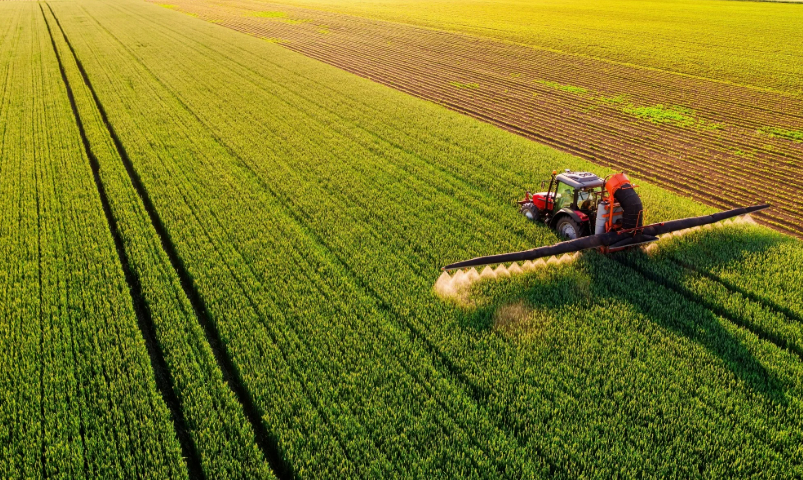
- Tractors, Harvesters, Threshers reduce time and labour.
- Increased efficiency and production.
d) Biotechnology and Research
- Development of bio-fertilizers, hybrid seeds, and new crop varieties.
- Helps in tackling pests, drought, and low soil fertility.
3. Government Measures for Farmers
- Kisan Credit Card (KCC) for easy loans.
- Personal Accident Insurance Scheme (PAIS) for farmers’ safety.
- Crop Insurance Scheme to protect against crop failure due to drought, flood, cyclone, pests.
- Grameen Banks and Self-Help Groups (SHGs) providing credit to small farmers.
Topic-7: Bhoodan – Gramdan Movement
1. Introduction
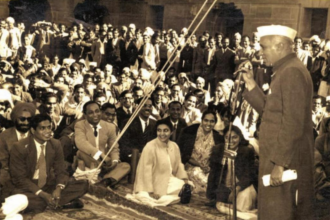
- The Bhoodan–Gramdan Movement was a voluntary land donation movement started in India to reduce land inequality and help landless farmers.
- It is also known as the “Land Gift Movement.”
2. Founder of the Movement
- Started by Acharya Vinoba Bhave in 1951.
- He was a follower of Mahatma Gandhi and believed in non-violence and social justice.
3. How the Movement Started
- Began when Vinoba Bhave visited Pochampalli village (Telangana).
- Landless villagers requested land for cultivation.
- A landlord donated 80 acres of land, inspiring Vinoba Bhave to start a nationwide campaign.
4. Bhoodan Movement (Land Donation)
- Wealthy landowners voluntarily donated a portion of their land to landless farmers.
- Aim:
- Reduce rural inequality
- Provide livelihood to landless people
- Promote peaceful social change without violence
5. Gramdan Movement (Village Donation)
- In many villages, instead of individual land donation, entire villages donated land collectively.
- Land was distributed for the benefit of the whole community.
- Promoted the idea of collective ownership and shared resources.
6. Objectives of the Movement
- Achieve economic equality in rural areas.
- Promote cooperative farming.
- Create a classless, conflict-free rural society.
- Solve land issues peacefully, without government force.
7. Significance of the Movement
- First major non-governmental land reform effort in India.
- Inspired many to donate land voluntarily.
- Supported Gandhian ideas of Sarvodaya (welfare of all).
- Helped spread awareness about land rights and rural inequality.
Topic-8: Contribution of Agriculture to the National Economy, Employment and Output
1. Contribution to the National Economy
- Agriculture is a major contributor to India’s GDP, though its share has been declining with growth of secondary and tertiary sectors.
- Still contributes around one-sixth of the GDP.
- Provides raw materials to industries like:
- Textile (cotton, jute)
- Sugar
- Dairy
- Food processing industries
- Plays a key role in foreign exchange earnings through export of:
- Tea
- Coffee
- Spices
- Rice
- Marine products
2. Contribution to Employment
- Agriculture is the largest employer in India.
- Provides employment to almost half of the country’s workforce.
- Supports livelihood of:
- Farmers
- Agricultural laborers
- Migrant workers
- Workers in allied activities (fisheries, animal husbandry, forestry)
3. Contribution to Output
- India is among the world’s leading producers of many crops:
- Rice
- Wheat
- Pulses
- Milk
- Spices
- Fruits & vegetables
- Agricultural output ensures food security for the nation.
- Surplus production supports:
- Buffer stocks
- Public Distribution System (PDS)
- Price stability in the country
4. Government Efforts to Improve Agriculture
- Minimum Support Price (MSP)
- Public Distribution System (PDS)
- Kisan Credit Card (KCC)
- Crop Insurance Scheme
- Subsidies on fertilizers, electricity, and irrigation
- Agricultural research, HYV seeds, biotechnology, and modern equipment
Topic-9: Impact of Globalisation on Agriculture
Globalisation refers to the integration of countries through trade, ideas, technology, and markets.
In agriculture, it means free movement of agricultural products, use of advanced technology, and competition in global markets.
1. Positive Impacts of Globalisation
Introduction of New Technology
- Use of HYV seeds, machinery, biotechnology, and modern irrigation increased productivity.
Growth of Agro-Industries
- Development of food processing industries, cold storage, packaging, export units, etc.
Export Opportunities
- India exports cotton, tea, coffee, spices, Basmati rice, fruits, vegetables.
- Farmers connected to international markets.
Increased Production of Cash Crops
- Higher demand encouraged farmers to grow cotton, sugarcane, fruits, flowers, etc.
2. Negative Impacts of Globalisation
Price Fluctuations
- Global market changes lead to unstable prices of crops.
- Farmers suffer when prices fall.
Competition from Foreign Products
- Cheap agricultural imports reduce demand for local produce.
Small Farmers Affected
- Lack of capital to use modern technology.
- Unable to compete with large farmers or MNCs.
Shift to Cash Crops
- Sometimes leads to food crop shortage and soil degradation.
3. Overall Outcome
- Globalisation created new opportunities but also new challenges.
- Benefit is more visible to large farmers than small and marginal ones.
- India is trying to achieve fair trade, food security, and protection of farmers in the global era.
Conclusion
Agriculture remains the backbone of India’s economy. Although modern technology, reforms, and globalisation have brought improvements, several challenges still affect farmers—such as uneven rainfall, small landholdings, and price fluctuations. For India to achieve food security, economic stability, and rural development, continuous efforts are needed to support farmers with better technology, fair prices, irrigation facilities, and sustainable practices. Ultimately, a strong agricultural sector ensures a strong and self-reliant nation.
Full Chapter Explanation
Detailed notes of other chapters:
Resources and Development: Class-10th Geography Chapter-1 ( Easy NCERT Notes )
Forests and Wildlife Resources: Class-10th Geography Chapter-2 ( Easy NCERT Notes )
Water Resources: Class-10th Geography Chapter-3 ( Easy NCERT Notes )