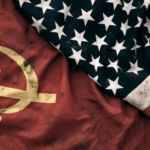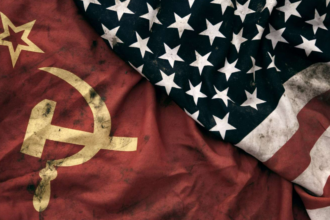
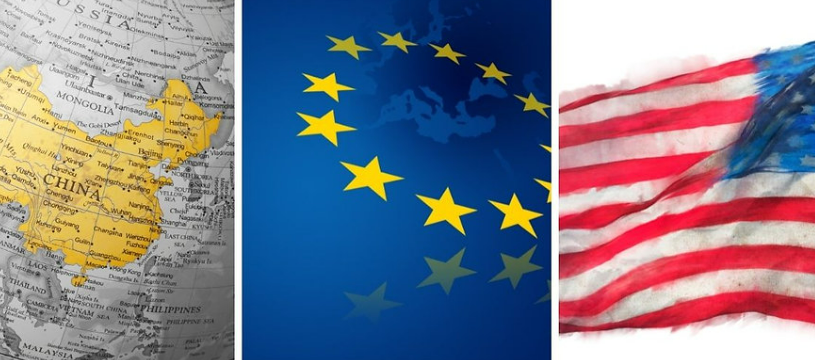
After the end of the Cold War in 1991 and the disintegration of the Soviet Union, the world moved from a bipolar system to a unipolar system dominated by the United States.
However, over time, several countries and regional organizations such as the European Union, China, Japan, India, and groups like ASEAN emerged as important centres of power.
This chapter explains how the world is gradually moving towards a multipolar system.
Introduction
1. End of Bipolar World
- After 1991, the Cold War ended.
- The Soviet Union disintegrated.
- The world was no longer divided between two superpowers:
- United States
- Soviet Union
This ended the bipolar system.
2. Emergence of Unipolar World
- After 1991, the United States became the only superpower.
- This situation is called Unipolarity.
- The US had:
- Strong military power
- Strong economy
- Political influence
It dominated world politics in the 1990s.
3. Rise of New Power Centres
Slowly, other countries and regional organizations became powerful.
These are called “Contemporary Centres of Power.”
Main centres discussed in the chapter:
- European Union
- China
- Japan
- Russia
- India
These countries/organizations influence global politics.
4. Meaning of Power in International Politics
Power does not mean only military power.
It includes:
- Economic power (trade, GDP, industries)
- Military power (army, nuclear weapons)
- Political influence
- Cultural influence
Example:
- US → Military + Economic power
- China → Economic growth
- EU → Economic + political cooperation
5. Multipolar World (Emerging Trend)
- Today, power is not only in one country.
- Many countries share influence.
- This is called Multipolarity.
The world is moving from Unipolar → Multipolar.
Topic-1: European Union
1. Introduction
- The European Union (EU) is a group of European countries that work together.
- It was formed to ensure:
- Peace
- Economic cooperation
- Political stability
- It is one of the most powerful regional organizations in the world.
2. Origin and Formation
- After World War II, European countries wanted to prevent further wars.
- In 1957, the Treaty of Rome created the European Economic Community (EEC).
- In 1992, the Maastricht Treaty officially created the European Union.
Aim: Economic and political integration.
3. Features of the European Union
(1) Economic Power
- One of the largest economies in the world.
- Has a single currency – Euro (used by many member countries).
- Allows free movement of:
- Goods
- Services
- Capital
- People
(2) Political Cooperation
- Has its own:
- Parliament
- Council
- Commission
- Member countries coordinate foreign policies.
(3) Military & Security Role
- Not as strong as the US militarily.
- But plays a major role in:
- Peacekeeping
- International negotiations
- Climate agreements
4. EU as a Contemporary Centre of Power
The EU is powerful because:
- Large population
- Strong economy
- Major share in world trade
- Influential in global institutions like the World Trade Organization
- Important role in the United Nations
It influences global economic policies.
5. Achievements of EU
- Maintained peace in Europe.
- Created economic prosperity.
- Promotes human rights and democracy.
- Strong trade relations with many countries including India.
6. Limitations / Challenges
- Internal disagreements among member states.
- Economic crises (like debt crisis).
- Differences in foreign policy.
- Dependence on United States for security (through NATO).
Topic-2: Timeline of European Integration
1. 1945 – After World War II
- Europe was destroyed after World War II.
- Countries wanted:
- Peace
- Economic recovery
- Cooperation instead of conflict
Idea of European unity started.
2. 1951 – European Coal and Steel Community (ECSC)
- 6 countries formed ECSC.
- Aim: Control coal and steel production jointly.
- Prevent future wars between European countries.
3. 1957 – Treaty of Rome
- Created the European Economic Community (EEC).
- Main aim:
- Common market
- Free trade among member countries
Economic integration began officially.
4. 1986 – Single European Act
- Decision to create a Single Market.
- Free movement of:
- Goods
- Services
- Capital
- People
5. 1992 – Maastricht Treaty
- Official formation of the European Union (EU).
- Increased:
- Political cooperation
- Common foreign policy
- Monetary union
EU became more than just an economic body.
6. 1999 – Introduction of Euro
- Common currency Euro introduced (official use in 2002).
- Strengthened economic unity.
7. 2004 – Major Expansion
- 10 new countries joined.
- EU expanded towards Eastern Europe.
8. 2009 – Lisbon Treaty
- Made EU more democratic and efficient.
- Strengthened the role of European Parliament.
Topic-3: Association of South East Asian Nations (ASEAN)
1. Introduction
- ASEAN is a regional organization of Southeast Asian countries.
- Formed on 8 August 1967 in Bangkok.
- Initially had 5 member countries.
- Aim: Promote economic growth, peace, and regional stability.
2. Founding Members (1967)
- Indonesia
- Malaysia
- Philippines
- Singapore
- Thailand
Later members joined:
- Brunei
- Vietnam
- Laos
- Myanmar
- Cambodia
Total Members = 10
3. Objectives of ASEAN
- Promote economic development
- Maintain peace and stability
- Increase social and cultural cooperation
- Reduce conflicts in the region
4. ASEAN Way
- Decision-making by consultation and consensus
- Respect for sovereignty
- Non-interference in internal matters
This is called the “ASEAN Way.”
5. ASEAN as an Economic Power
- Fast-growing economies.
- Major centre of global trade.
- Formation of ASEAN Free Trade Area (AFTA) to promote free trade.
- Strong trade relations with:
- China
- India
- United States
6. ASEAN Regional Forum (ARF)
- Established in 1994.
- Platform for security dialogue in Asia-Pacific region.
- Discusses issues like:
- Terrorism
- Maritime security
- Regional conflicts
7. ASEAN as a Contemporary Centre of Power
ASEAN is important because:
- Strategic location (between India and China).
- Growing economic strength.
- Regional stability.
- Acts as a bridge between major powers.
Topic-4: The Rise of Chinese Economy
1. Background
- After 1949, China followed a socialist economic model.
- Economy was controlled by the government.
- Growth was slow in the early years.
2. Economic Reforms (1978)
- In 1978, China introduced economic reforms under Deng Xiaoping.
- Reforms are known as Open Door Policy.
Aim: Modernize economy and increase growth.
3. Major Steps in Reforms
(1) Shift to Market Economy
- Allowed private businesses.
- Reduced state control over industries.
(2) Special Economic Zones (SEZs)
- Created SEZs to attract foreign investment.
- Provided tax benefits and easy rules.
(3) Focus on Exports
- Became a major exporter of:
- Electronics
- Machinery
- Consumer goods
4. Rapid Economic Growth
- China became one of the fastest-growing economies.
- Huge increase in:
- GDP
- Trade
- Foreign exchange reserves
- In 2001, China joined the World Trade Organization (WTO).
This increased global trade relations.
5. China as a Global Economic Power
- Second-largest economy in the world (after the United States).
- Major trading partner of:
- India
- European Union
- Many Asian and African countries
- Large manufacturing hub of the world.
6. Political System
- China is ruled by the Communist Party of China.
- Political system remains one-party system.
- Economic reforms did not lead to political democracy.
7. Challenges
- Income inequality
- Environmental pollution
- Regional imbalance
- Tensions with neighbouring countries
Topic-5: India–China Relations
1. Beginning of Relations
- India was among the first countries to recognize the People’s Republic of China (1949).
- Both countries promoted peaceful coexistence.
- In 1954, they signed the Panchsheel Agreement (Five Principles of Peaceful Coexistence).
✳ Panchsheel Principles:
- Mutual respect for territorial integrity
- Mutual non-aggression
- Mutual non-interference
- Equality and mutual benefit
- Peaceful coexistence
Slogan: “Hindi-Chini Bhai Bhai”
2. 1962 War
- Border disputes led to the India–China War (1962).
- Relations became tense.
- Main dispute areas:
- Aksai Chin
- Arunachal Pradesh
Trust between both countries declined.
3. Improvement in Relations (After 1988)
- In 1988, Prime Minister Rajiv Gandhi visited China.
- Dialogue and cooperation restarted.
- Agreements signed to maintain peace along the border.
4. Economic Relations
- Trade between India and China increased rapidly.
- China is one of India’s largest trading partners.
- However, trade imbalance exists (India imports more).
5. Areas of Cooperation
- BRICS grouping
- Climate change negotiations
- Global trade discussions
- Multilateral forums like:
- World Trade Organization
- United Nations
6. Areas of Tension
- Border disputes (Line of Actual Control – LAC)
- China’s relations with Pakistan
- Strategic competition in Asia
- Military standoffs in recent years
7. Present Situation
- Relationship is a mix of:
- Cooperation
- Competition
- Both are emerging powers in Asia.
Topic-6: Japan
1. Background
- After World War II, Japan was defeated and economically destroyed.
- It came under the influence of the United States.
- Japan adopted a peace constitution (1947).
- Article 9: No aggressive military policy.
Focus shifted from military to economic development.
2. Economic Growth
- From the 1950s–1980s, Japan experienced rapid economic growth.
- Known as the “Japanese Economic Miracle.”
- Became the second-largest economy in the world (for many years).
3. Reasons for Japan’s Economic Success
(1) Technological Advancement
- Leader in:
- Electronics
- Automobiles
- Robotics
(2) Strong Work Culture
- Discipline and skilled workforce.
(3) US Support
- Security guarantee by the US.
- Allowed Japan to spend more on development.
4. Japan as an Economic Power
- Major exporter of cars and electronic goods.
- Large contributor to:
- Global trade
- Foreign aid
- Important member of:
- United Nations
- World Trade Organization
- G7 group
Influential in global economic decisions.
5. Military and Security Role
- Limited military role due to its constitution.
- Depends on US for security.
- Increasing role in regional security matters.
6. Challenges
- Slow economic growth in recent years.
- Aging population.
- Dependence on imports for natural resources.
Topic-7: South Korea
1. Background
- After the Korean War (1950–53), South Korea was economically weak.
- It received support from the United States.
- Gradually transformed from a poor country into a developed economy.
2. Rapid Economic Growth
- From the 1960s onwards, South Korea focused on:
- Industrialization
- Export-led growth
- Technology development
Known as one of the “Asian Tigers.”
3. Reasons for Economic Success
(1) Strong Government Planning
- State-guided industrial development.
(2) Focus on Exports
- Major exporter of:
- Electronics
- Automobiles
- Ships
(3) Big Business Groups (Chaebols)
- Large industrial groups like:
- Samsung
- Hyundai Motor Company
4. Political Development
- Initially faced authoritarian rule.
- Later became a stable democratic country.
- Active role in regional and global diplomacy.
5. South Korea as a Contemporary Centre of Power
- Major economic power in Asia.
- Important trading partner for:
- China
- Japan
- India
- Member of global institutions like:
- World Trade Organization
- United Nations
6. Challenges
- Tensions with North Korea
- Dependence on exports
- Security issues in the Korean Peninsula
Topic-8: SAARC (South Asian Association for Regional Cooperation)
1. Introduction
- SAARC is a regional organization of South Asian countries.
- It was established in 1985.
- The first SAARC summit was held in Dhaka, Bangladesh.
- Aim: Promote regional cooperation, economic development, and peace in South Asia.
2. Member Countries
SAARC has 8 member states:
- India
- Pakistan
- Bangladesh
- Sri Lanka
- Nepal
- Bhutan
- Maldives
- Afghanistan (joined in 2007)
3. Objectives of SAARC
- Promote economic growth and development.
- Improve quality of life in South Asia.
- Strengthen regional cooperation.
- Encourage peace and stability among member countries.
4. Areas of Cooperation
SAARC works in many areas such as:
- Agriculture
- Rural development
- Science and technology
- Culture and education
- Trade and economic cooperation
5. SAFTA (South Asian Free Trade Area)
- SAARC countries signed SAFTA agreement in 2004.
- Aim: Reduce trade barriers and increase regional trade among South Asian countries.
6. Importance of SAARC
- Helps promote regional cooperation in South Asia.
- Encourages economic development and trade.
- Provides a platform for dialogue among neighbouring countries.
7. Challenges / Limitations
- Political tensions, especially between India and Pakistan.
- Slow economic integration.
- Limited cooperation compared to other regional organizations like the European Union.
Topic-9: BRICS
1. Introduction
- BRICS is a group of major emerging economies in the world.
- It represents countries with large populations, strong economic growth, and increasing global influence.
- The term BRIC was first used in 2001 by economist Jim O’Neill.
- In 2010, South Africa joined, and the group became BRICS.
2. Member Countries
BRICS includes 5 countries:
- Brazil
- Russia
- India
- China
- South Africa
3. Objectives of BRICS
- Promote economic cooperation among member countries.
- Increase the role of developing countries in global governance.
- Reform international financial institutions like:
- World Bank
- International Monetary Fund
4. Major Initiatives
New Development Bank (NDB)
- Established in 2014 by BRICS countries.
- Aim: Provide funding for infrastructure and development projects.
Contingent Reserve Arrangement (CRA)
- Financial support system to help countries during economic crises.
5. Importance of BRICS
- Represents large share of the world’s population and economy.
- Promotes cooperation among major developing countries.
- Acts as a platform for political and economic dialogue.
6. Challenges
- Differences in political systems and interests.
- Economic competition among members.
- Internal disagreements on global issues.
Topic-10: Russia
1. Background
- After the disintegration of the Soviet Union in 1991, Russia emerged as the successor state.
- It inherited:
- Most of the territory
- Nuclear weapons
- Seat of the Soviet Union in the United Nations Security Council.
2. Political System
- Russia adopted a democratic political system after 1991.
- It has:
- A President
- A Parliament
- However, the president has strong powers in the political system.
3. Economic Situation After 1991
- Russia faced a serious economic crisis in the 1990s.
- Industries declined and unemployment increased.
- Later, the economy improved due to:
- Oil exports
- Natural gas resources
- Energy sector growth
4. Russia as a Major Power
Russia remains powerful because of:
(1) Military Strength
- One of the largest nuclear powers in the world.
(2) Energy Resources
- Major exporter of oil and natural gas.
(3) Global Political Influence
- Permanent member of the United Nations Security Council.
5. Russia’s Relations with Other Countries
- Maintains strong relations with:
- India
- China
- Member of international groups like:
- BRICS
- G20
6. Challenges
- Economic dependence on energy exports.
- Political tensions with Western countries.
- Sanctions and geopolitical conflicts.
Topic-11: India
1. Introduction
- India is an emerging global power in world politics.
- It is known for:
- Large population
- Growing economy
- Strong democratic system
- India plays an important role in international politics and global institutions.
2. Economic Growth
- Since 1991 economic reforms, India’s economy has grown rapidly.
- Development in:
- Information Technology (IT)
- Services sector
- Manufacturing
India is one of the fastest-growing major economies.
3. Military Strength
- India has one of the largest armies in the world.
- It is also a nuclear power.
- Plays an important role in regional security in Asia.
4. Role in International Organizations
India is an active member of:
- United Nations
- World Trade Organization
- BRICS
- South Asian Association for Regional Cooperation (SAARC)
India also demands permanent membership in the UN Security Council.
5. Foreign Policy and Global Role
India follows principles such as:
- Peaceful coexistence
- Non-alignment
- Cooperation with developing countries
India maintains relations with major powers like:
- United States
- Russia
- China
6. India’s Strengths
- Large and growing economy
- Strong democratic institutions
- Skilled human resources
- Rapid technological development
7. Challenges
- Poverty and inequality
- Population pressure
- Regional conflicts
- Development gaps
Topic-12: Israel
1. Introduction
- Israel is a small country in West Asia (Middle East).
- Despite its small size and population, it has become a powerful country in technology, military, and agriculture.
- It plays an important role in regional politics of the Middle East.
2. Establishment of Israel
- Israel was established in 1948.
- After its creation, conflicts started with neighbouring Arab countries.
- The region has seen several wars and political tensions.
3. Military Strength
- Israel has a very strong and advanced military.
- Known for:
- Modern weapons
- Advanced defense technology
- It is believed to possess nuclear weapons.
4. Technological and Economic Development
Israel is famous for:
- High-tech industries
- Innovation and startups
- Advanced agricultural techniques
It is sometimes called the “Start-Up Nation.”
5. International Relations
Israel maintains strong relations with the United States. In recent years, Israel has also improved relations with several other countries, including
India.
6. Role in Global Politics
- Important strategic position in the Middle East.
- Strong influence in security and technological fields.
- Plays a role in international diplomacy and regional conflicts.
7. Challenges
- Ongoing conflict with Palestine.
- Regional political tensions.
- Security issues in the Middle East.
Conclusion
In today’s world, power is no longer concentrated in a single country. Multiple nations and organizations like China, European Union, India, and Russia play significant roles in global politics.
Although the United States remains powerful, the rise of these centres shows a shift towards a multipolar world order, where power is shared among many actors.
Detailed notes of other chapters:
The Era of Cold War: Class-12th Political Science Chapter-1 ( Easy NCERT Notes )
Politics of Planned Development: Class-12th Political Science Chapter-3 ( Easy NCERT Notes )